
MYTH VS FACT
Myth Busters: Battery Energy Storage in Jerome County
Battery energy storage helps support a reliable, balanced energy future by storing energy when demand is low and providing it back to the power grid during periods of high demand.
The proposed Gather Energy Storage in Jerome County, Idaho, represents an opportunity to strengthen local energy infrastructure and help meet growing energy needs.
Below are answers to common questions and myths about battery energy storage and what the project could mean for the local community.
Water Use
The Myth:
Battery energy storage uses a lot of local water.
The Facts:
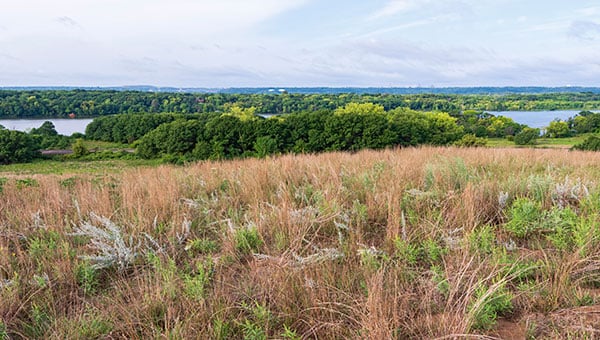
Battery energy storage systems do not require large amounts of water to operate.
Battery energy storage facilities use very little water during normal operations compared with many other types of energy infrastructure. Because batteries only store energy generated, they do not require water for electricity generation, steam cycles or routine cooling.
Battery energy storage works by storing electricity in batteries and providing that energy back to the grid when demand is high. Unlike some traditional power plants, battery energy storage does not rely on water-intensive generation processes.
Battery containers and their heating, ventilation and air-conditioning systems are generally air-cooled, so they do not require ongoing process water. Batteries also do not need water for cooling, steam cycles or electricity generation.
-
Occasional equipment washing
-
Dust control during construction
-
Landscaping, if included in the site design
NextEra Energy Resources designs and operates energy projects with a focus on responsible development and minimizing impacts to the surrounding community.
Local Power Grid Support
The Myth:
The power from this project is going out of state.
The Facts:
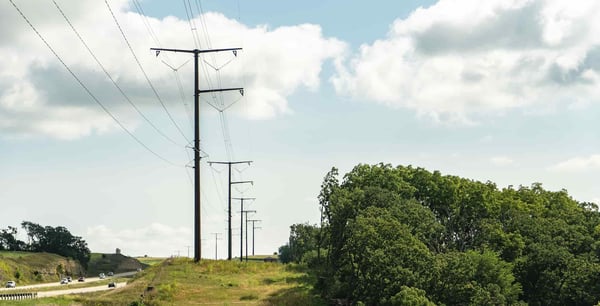
The proposed Gather Energy Storage project is being developed to support the local power grid in Jerome County.
Battery energy storage systems help store energy when it is available and deliver that energy when it is needed most, such as during periods of high demand. Once energy is on the power grid, utilities and grid operators send electricity to where people need it, balancing supply and demand in real time.
Local Benefits

The Myth:
Battery energy storage does not provide local benefits.
The Facts:
Energy projects provide meaningful local benefits during construction and operation.
Projects like Gather Energy Storage support local economic activity by creating good-paying construction jobs, generating indirect income for local businesses and millions in tax revenue that can help support the community.
Extreme Weather
The Myth:
Battery energy storage cannot operate in extreme weather.
The Facts:
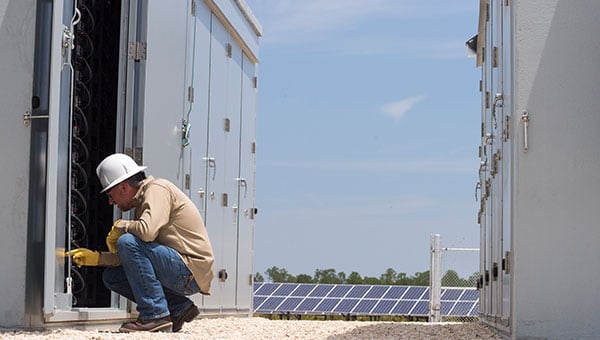
Battery energy storage systems are designed to operate safely and reliably across a range of weather conditions.
Battery energy storage systems use protective housing and climate control systems to maintain performance across weather conditions. These systems help battery storage support grid stability by storing energy when conditions are favorable and providing it during periods of high demand.
Battery energy storage facilities also use monitoring systems that continuously track key operating conditions, including battery health, temperature, voltage and current flow.
Safety
The Myth:
Battery energy storage is not safe.
The Facts:
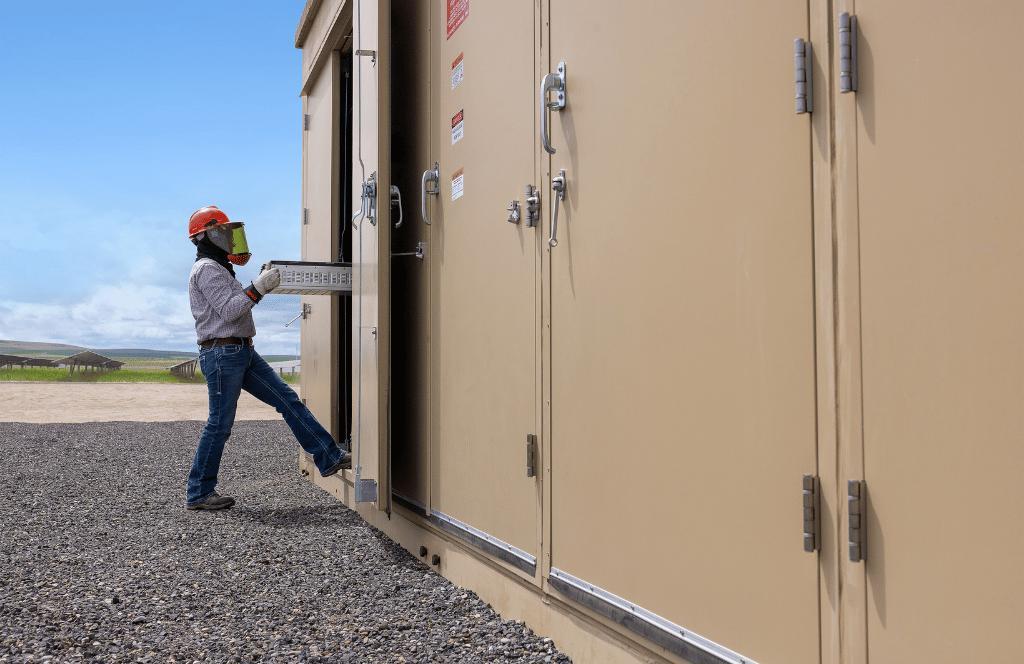
Battery energy storage systems are designed with multiple layers of safety protocols and protections.
These include battery management systems, monitoring tools, thermal management and fire mitigation systems.
All systems undergo rigorous industry testing and certification to support safe operations and comply with applicable safety standards and codes.
We also work with local first responders and fire officials to share information, create response plans and implement safety measures.
Groundwater
The Myth:
Battery energy storage will contaminate groundwater.
The Facts:
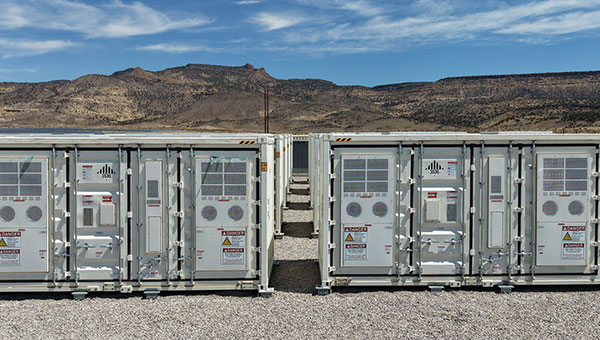
Battery energy storage systems are designed with multiple layers of protections to contain internal battery materials.
Individual battery cells are separated and pressure sealed, battery cells are contained within larger modules and modules are housed in enclosed containers.
The Myth:
Battery energy storage will contaminate groundwater.
The Facts:
Battery energy storage systems are designed with multiple layers of protections to contain internal battery materials.
Individual battery cells are separated and pressure sealed, battery cells are contained within larger modules and modules are housed in enclosed containers.
Noise
The Myth:
Battery energy storage will be noisy.
The Facts:
Battery energy storage systems have very low noise profiles.
Most sound comes from cooling systems and electrical equipment such as transformers and inverters located on the battery site. Sites produce sounds at similar levels to standard commercial buildings. We locate storage facilities with appropriate setbacks and design facilities to minimize impacts on the surrounding area in conformance with applicable laws and regulations. Additional noise mitigation measures may be used when needed.
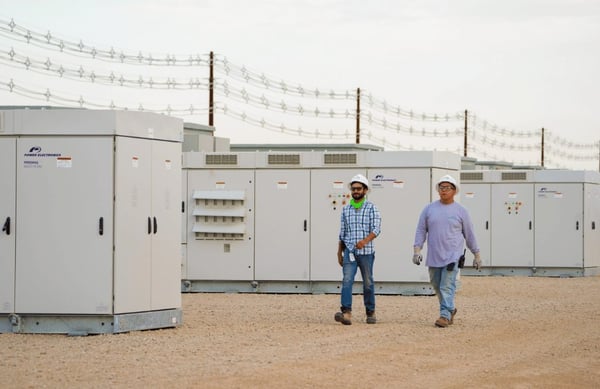
The Myth:
Battery energy storage will be noisy.
The Facts:
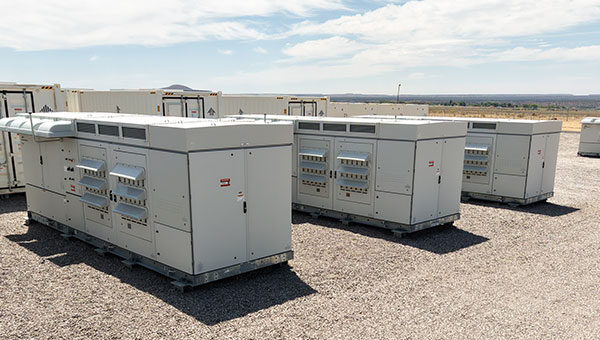
Battery energy storage systems have very low noise profiles.
Most sound comes from cooling systems and electrical equipment such as transformers and inverters located on the battery site. Sites produce sounds at similar levels to standard commercial buildings.
We locate storage facilities with appropriate setbacks and design facilities to minimize impacts on the surrounding area in conformance with applicable laws and regulations. Additional noise mitigation measures may be used when needed.
Land Use
The Myth:
Battery energy storage takes up too much land.
The Facts:
A typical battery energy storage site uses significantly less land than a traditional power plant and the infrastructure needed to support the plant.
Battery energy storage is a compact way to support the power grid by storing electricity and providing it when during periods of high demand.
Gather Energy Storage, LLC is an indirect wholly owned subsidiary of NextEra Energy Resources, LLC.